3 Lessons from Machiavelli on Employee Retention

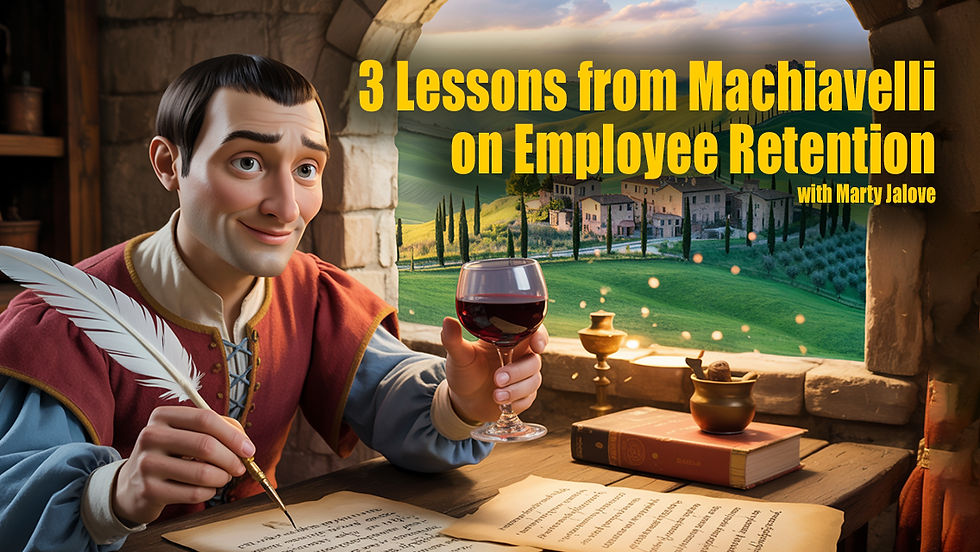
When you hear the name Niccolò Machiavelli, what comes to mind? For many, his name conjures images of cunning, manipulation, and power-hungry leaders. His 16th-century work, The Prince, has been a manual for rulers seeking to gain and maintain power, often through means that seem ruthless. It’s easy to dismiss his philosophy as outdated or too harsh for today's collaborative workplaces. But what if we looked past the notorious reputation? What if we saw Machiavelli not as a purveyor of fear, but as a brilliant strategist who understood human nature with profound clarity?
Hidden within his controversial advice are timeless pearls of wisdom about leadership, motivation, and loyalty. Machiavelli was obsessed with stability, how a leader could build a state that lasts. In the modern business world, what is employee retention if not the pursuit of stability? It's about creating an organization so strong, so compelling, that your best people choose to stay, contribute, and grow with you. By reframing his core principles, we can uncover powerful, positive lessons that apply directly to keeping your most valuable talent. Let's explore 3 lessons from Machiavelli on Employee Retention.
Be Generous, But Strategic

One of Machiavelli’s most famous, and often misunderstood, concepts revolves around generosity. He warned leaders against being carelessly liberal with their resources, as it could lead to ruin. A leader who gives lavishly without thought will eventually run out of funds, and when the giving stops, the people will turn against them. This sounds cynical, but there's a powerful modern lesson here: strategic generosity is far more impactful than haphazard perks.
Think about it in terms of your business. Are you throwing money at surface-level benefits that don’t truly resonate with your team? Free lunches and ping-pong tables are nice, but do they create lasting loyalty? Machiavelli's wisdom encourages us to be generous where it matters most. This means investing deeply in things that provide long-term value to both the employee and the company.
This is the principle of Meaningful Magnificence. Instead of shallow perks, practice profound generosity. This could mean:
Investing in professional development: Fund certifications, courses, or conference attendance that genuinely advance an employee's career. This shows you care about their future, not just their current output.
Providing exceptional health and wellness benefits: Go beyond the basics. Offer comprehensive mental health support, flexible wellness stipends, or generous parental leave. This demonstrates a commitment to their whole well-being.
Creating transparent and rewarding bonus structures: Link significant rewards to clear, achievable goals. When employees see a direct path from their hard work to substantial financial gain, their motivation soars.
Strategic generosity isn't about being stingy; it's about making your generosity count. It builds a foundation of respect and shows your team that you are a wise and thoughtful leader, investing in what truly matters.
Earn Esteem, Not Just Likability

"It is better to be feared than loved, if you cannot be both." This is perhaps Machiavelli's most infamous quote. In a modern context, fear is toxic and counterproductive. However, if we dig deeper into his writing, we find he wasn't advocating for tyranny. He was making a point about the difference between being liked and being respected. Love, he argued, is fickle. Esteem, on the other hand, is earned through consistent, admirable actions.
Leaders who prioritize being liked often avoid tough conversations, neglect accountability, and choose popularity over correctness. This creates a culture of mediocrity where high performers become frustrated and eventually leave. True leaders, like the prince Machiavelli envisioned, command respect through their competence, integrity, and fairness.
To put this into practice, focus on building Credible Character. This involves:
Consistency and Fairness: Apply rules and standards evenly to everyone, including yourself. When your team knows that you are fair and predictable, they trust your leadership.
Decisiveness and Vision: A leader who is confident, communicates a clear vision, and makes firm decisions, even tough ones, earns respect. People want to follow someone who knows where they are going.
Accountability: Hold yourself and others to high standards. When top performers see that mediocrity isn't tolerated, they feel valued and motivated. They know their efforts are part of a quest for excellence.
You don't need to be feared. You don't even need to be everyone's best friend. But you must be respected. When your employees esteem you as a leader, they are not just loyal to you personally; they are loyal to the mission you represent.
Empower Your People to Defend the Castle

Machiavelli wrote extensively about the dangers of relying on mercenaries, hired soldiers with no real loyalty to the state. He argued that a prince's greatest strength lies in arming his own citizens. When people are empowered to defend their own homes and futures, their commitment is absolute. They are fighting for something they believe in.
The modern parallel is striking. Are your employees "mercenaries," merely trading their time for a paycheck? Or are they "armed citizens," deeply invested in the success of the company because it is also their success? Relying on temporary fixes or outside consultants for core problems is like hiring mercenaries. The real power comes from within.
To build this kind of internal strength, you must practice Ownership Orientation. This means giving your employees the tools, autonomy, and trust to take ownership of their roles.
Delegate True Responsibility: Don't just assign tasks; delegate outcomes. Give your team members control over their projects and the authority to make meaningful decisions.
Foster Psychological Safety: Create an environment where people feel safe to take risks, suggest bold ideas, and even fail without fear of punishment. This is the "armor" they need to innovate and solve problems creatively.
Share the Spoils of Victory: When the company wins, ensure everyone shares in that victory. Whether through profit-sharing, equity, or transparent recognition, connect individual contributions to collective success.
When employees feel like owners, their mindset shifts from "doing a job" to "building our company." They become your most passionate advocates, your most creative problem-solvers, and your most loyal defenders. They stay not because they have to, but because they want to.
Machiavelli’s world was one of stone castles and political intrigue, but his understanding of human motivation is as relevant today as it was 500 years ago. By looking past his dark reputation, we can find a blueprint for building a resilient, loyal, and highly motivated team. It’s about being strategic with your generosity, earning deep respect, and empowering your people to become true stakeholders in your vision.
Creating this kind of environment takes more than just a few new tactics. It requires a fundamental shift in how you approach leadership. If you’re ready to build an organization where great talent is not only retained but thrives, it's time to explore innovative strategies that work.
For more on this subject, check out:
3 Lessons from Machiavelli on Employee Retention
Contact Master Happiness today to learn more about how you can retain and motivate the exceptional talent that drives your business forward.

About Marty Jalove
Marty Jalove is the driving force behind Master Happiness, known for his infectious optimism, decades of business coaching experience, and a knack for igniting passion in teams and individuals alike. As a sought-after motivational speaker, team-building expert, and creator of the "What's Your BACON?" framework, Marty's blend of humor, heartfelt insight, and actionable strategies have helped countless organizations find focus, foster gratitude, and turn potential into real progress. His workshops and coaching sessions do more than inspire, they equip businesses to build resilient, happy, and connected teams. Ready to take your business from surviving to thriving? Reach out to Marty at MasterHappiness.com and discover the power of happiness-driven success.


Comments